About Us
About Benue SEMA
Learn more about the Benue State Emergency Management Agency
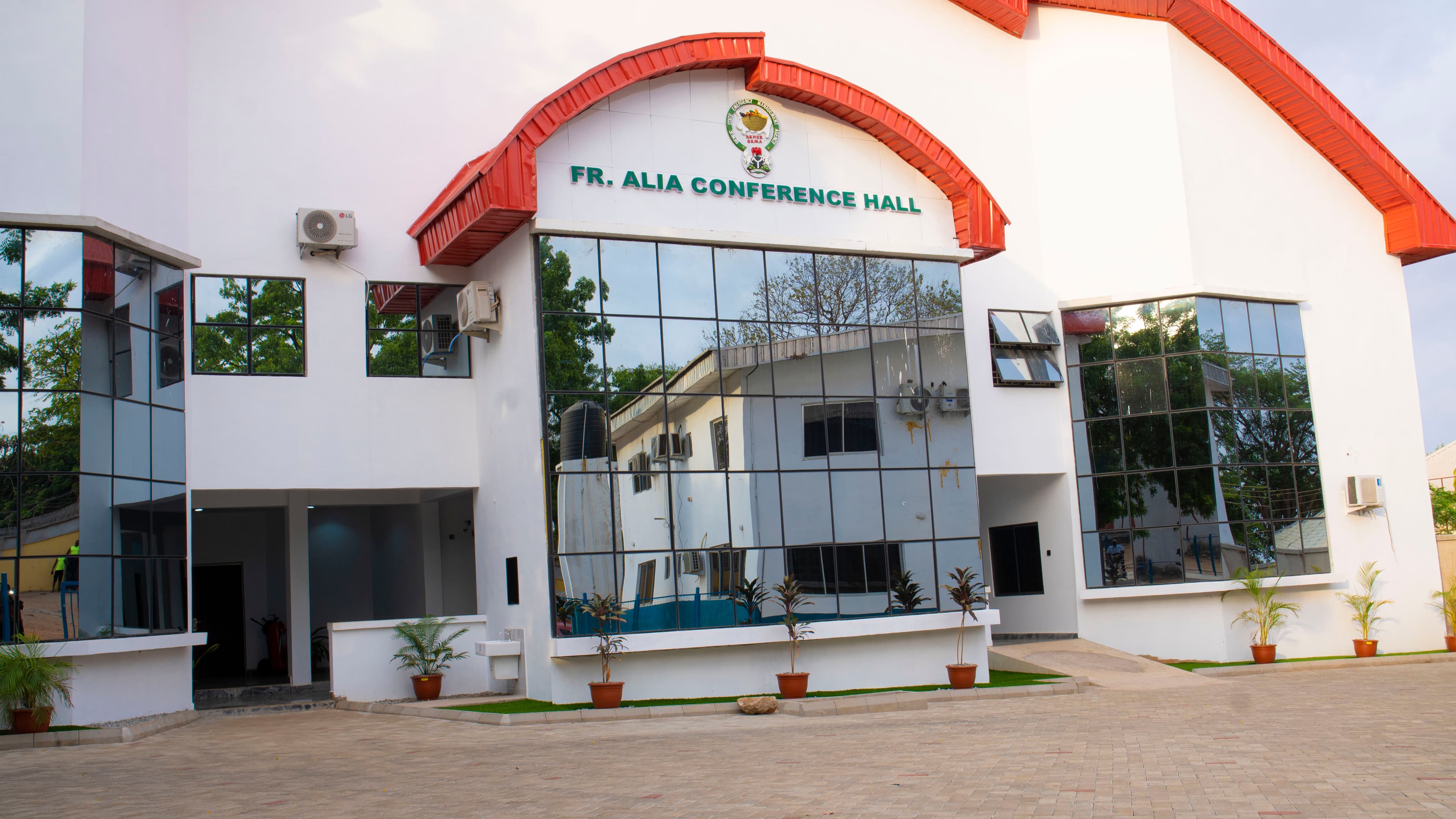
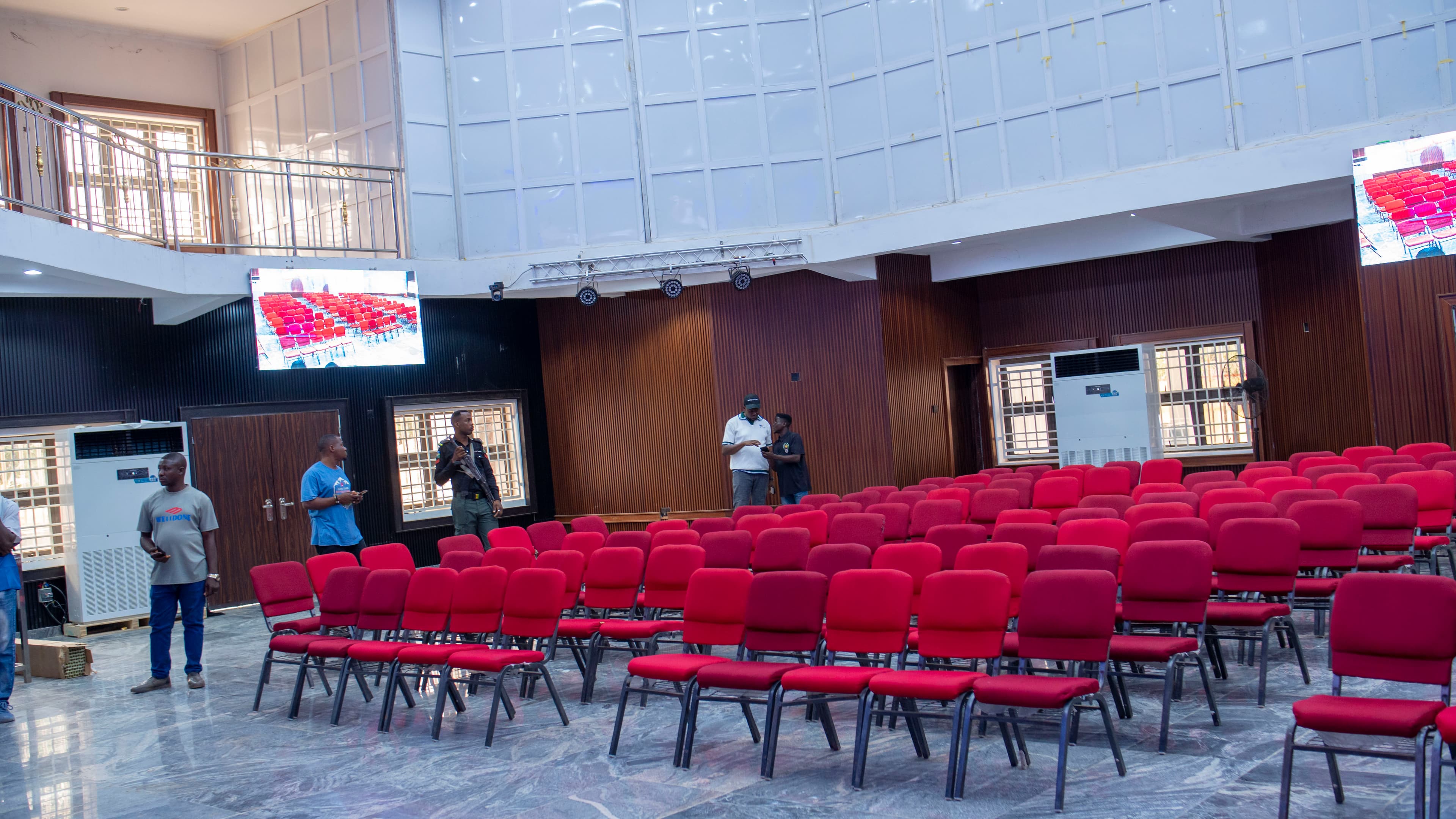
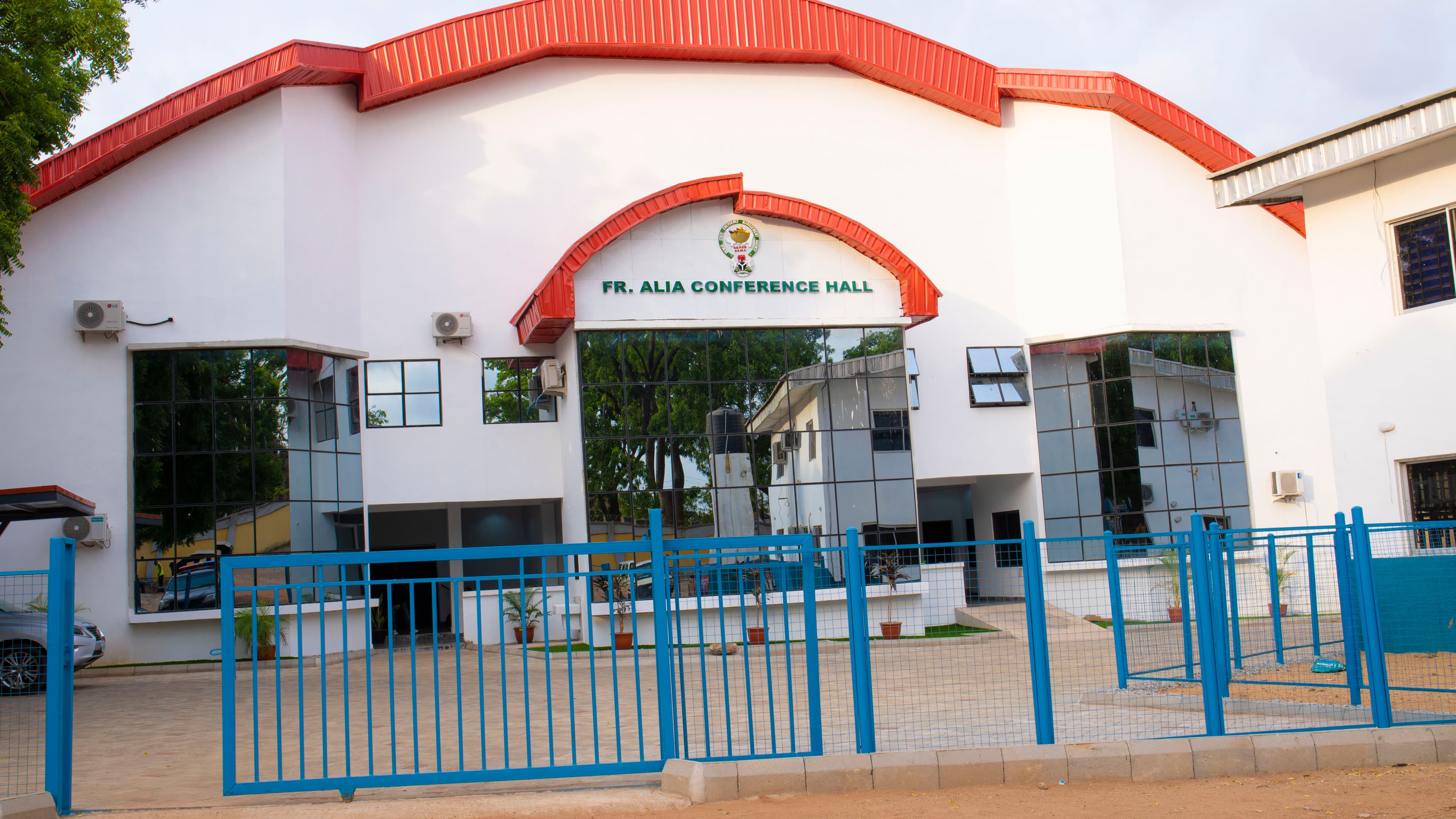
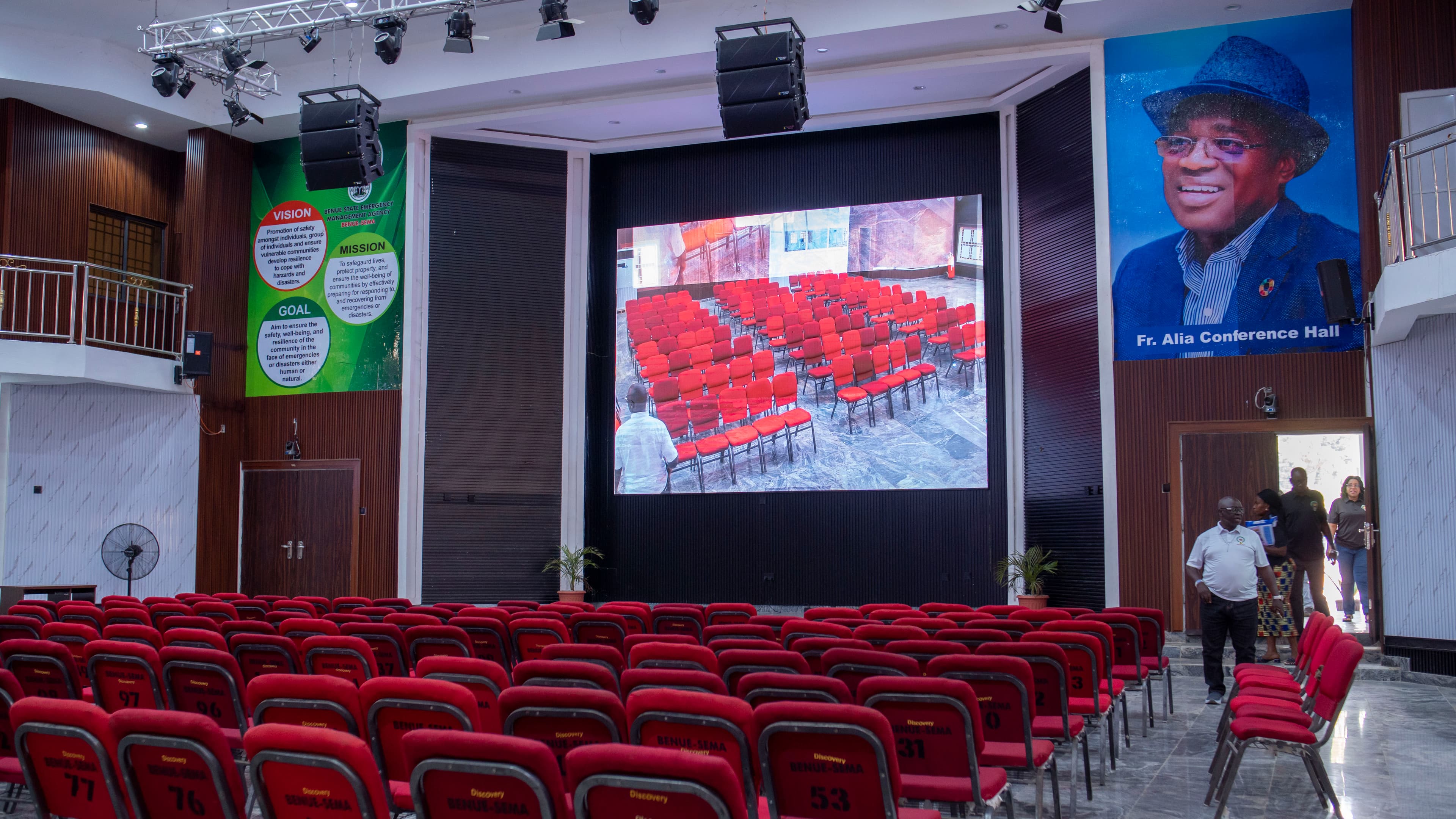
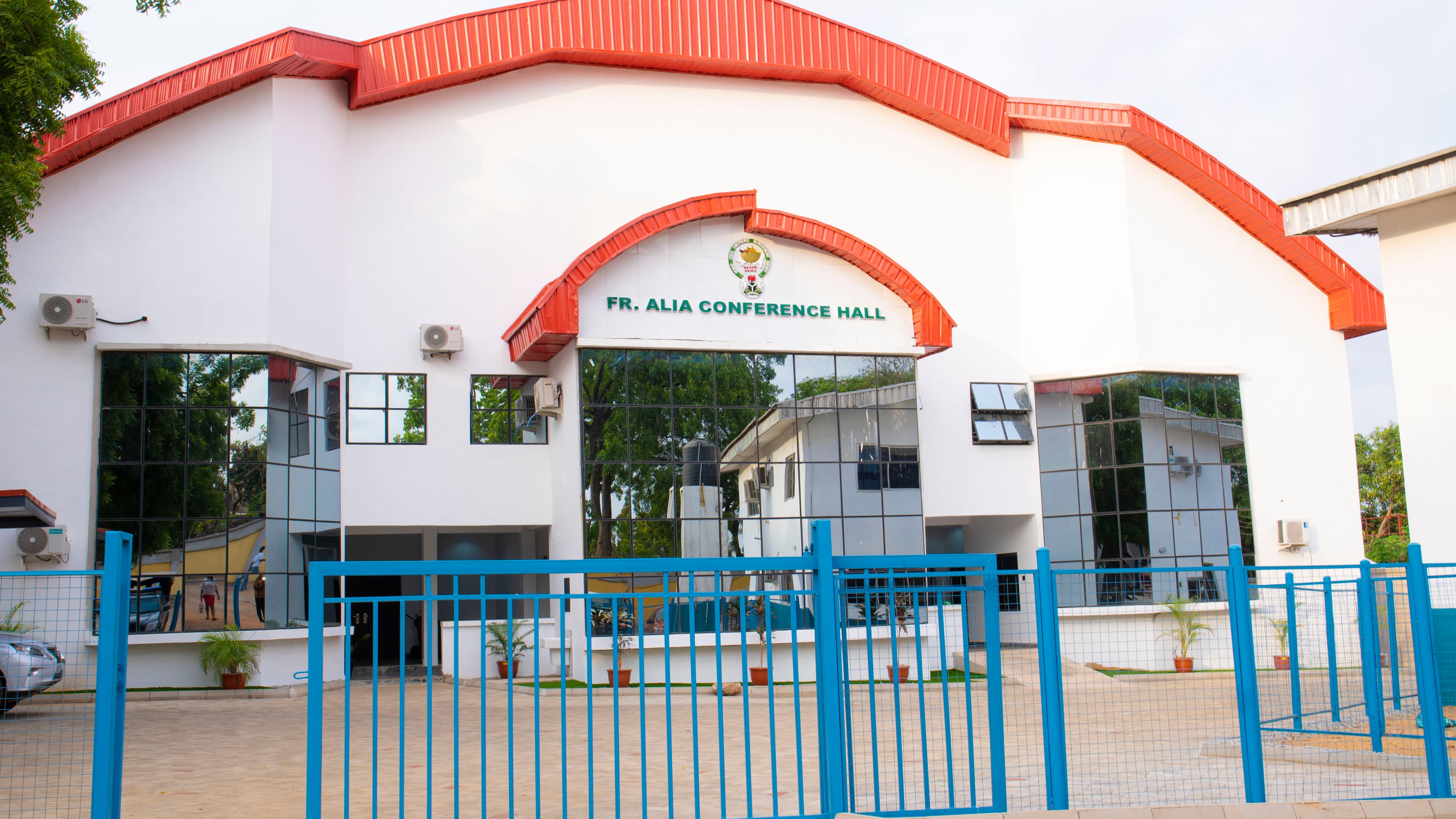
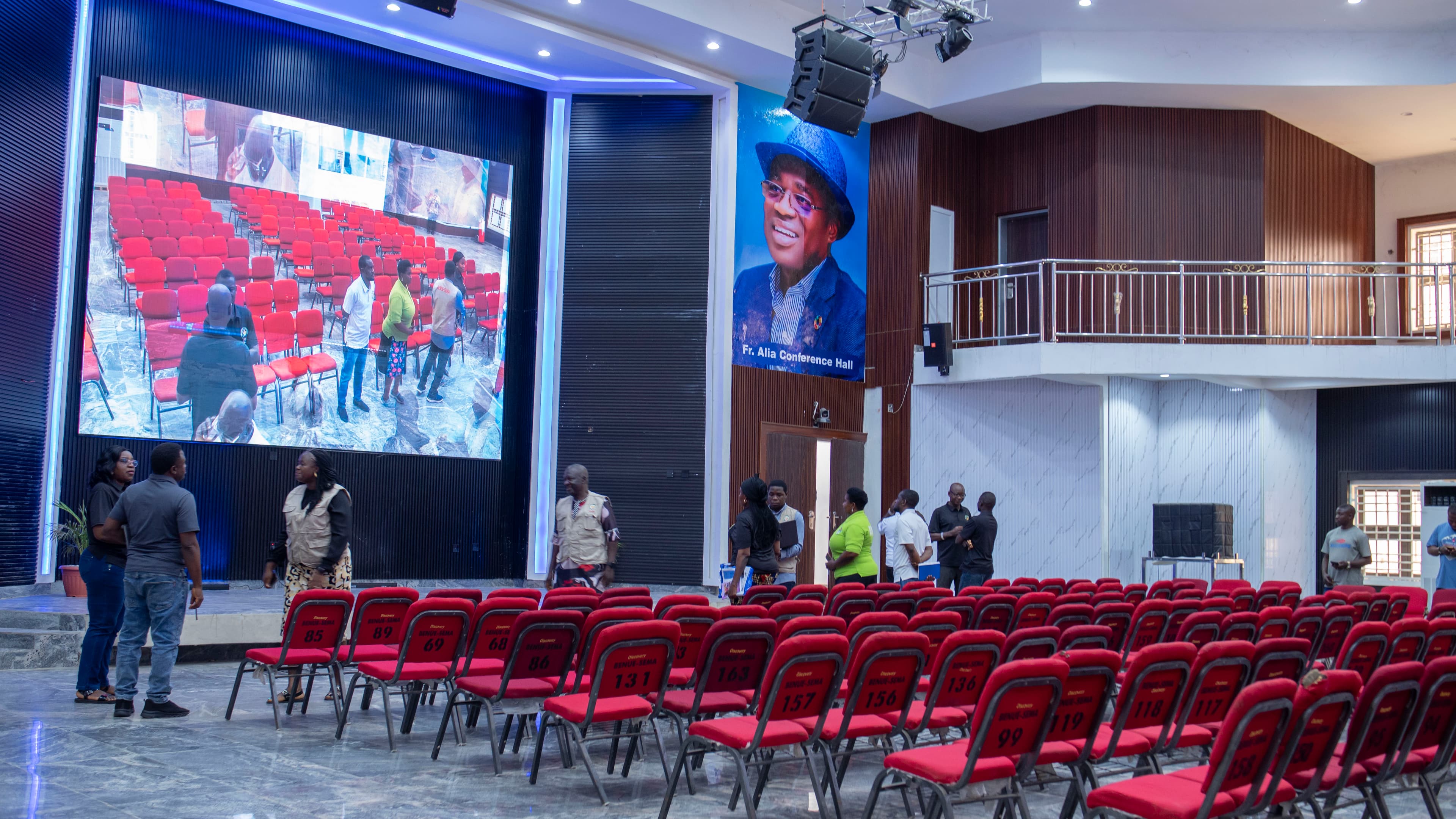
The Benue State Emergency Management Agency (BENUE-SEMA) was established in 2006 by the Benue State House of Assembly through Act 12, as amended by Act 50 of 1999. As a government agency, Benue-SEMA is responsible for coordinating and managing emergency preparedness and response in Benue State.
In addition to coordinating emergency response operations, Benue-SEMA also plays a significant role in facilitating the recovery process after disasters or emergencies. This involves assisting affected individuals and communities in restoring their lives, infrastructure, and essential services.
Message from the Executive Secretary
Sir James Aondoakaa Iorpuu PhD
At the Benue State Emergency Management Agency (SEMA), our mandate is to safeguard lives and property through effective disaster preparedness, response, and recovery efforts across the state.We are committed to strengthening our emergency response systems, enhancing community resilience, and ensuring timely support for individuals and communities affected by disasters. Through strategic collaboration with government institutions, development partners, and local communities, we continue to improve our capacity to manage emergencies efficiently.Our goal remains clear — to build a safer, more prepared, and resilient Benue State for all.
Read Full Profile→
VISION
Our vision
Promotion of safety amongst individuals, group of individuals and ensure vulnerable communities develop resilience to cope with hazards and disasters.
WHAT WE DO
Safety and Security
Ensuring the protection of lives and property through coordinated emergency response and risk management strategies.
Food and Non-Food Supplies
Providing essential relief materials including food, clothing, and basic household items to affected communities.
Community-Based Protection
Empowering local communities through awareness, preparedness training, and risk reduction initiatives.
Health (Life-Saving Programs)
Delivering critical health interventions and emergency medical support during disasters and crises.
WASH (Limited Support)
Supporting access to clean water, sanitation, and hygiene services in emergency-affected areas.
Camp Coordination & Management (CCCM)
Managing temporary shelters and ensuring proper coordination of services for displaced persons.
MONITORING ACTIVITIES
Shelter
Ensuring all displaced persons have access to safe, dignified, and weather-protected housing.
Protection
Monitoring and addressing protection risks for survivors, especially women and children.
Livelihood
Supporting economic recovery through vocational training and rapid job creation programs.
WASH
Regular audits of water sources and sanitation facilities to maintain health standards.
Health
Monitoring disease trends and health facility performance in emergency zones.
Education
Ensuring continuity of learning and child protection through temporary school setups.
Our Trusted Partners